
What Month Are Termites Most Active Around Bayville, NJ?
Quick answer
Termites around Bayville are active every month of the year. They live in the soil and keep eating right through the winter. The month you actually notice them is usually in spring, March through May, when a grown colony sends out winged swarmers. That lines up with our own schedule: this past May we treated termite jobs in Bayville, Berkeley, Whiting, Little Egg Harbor and Barnegat.
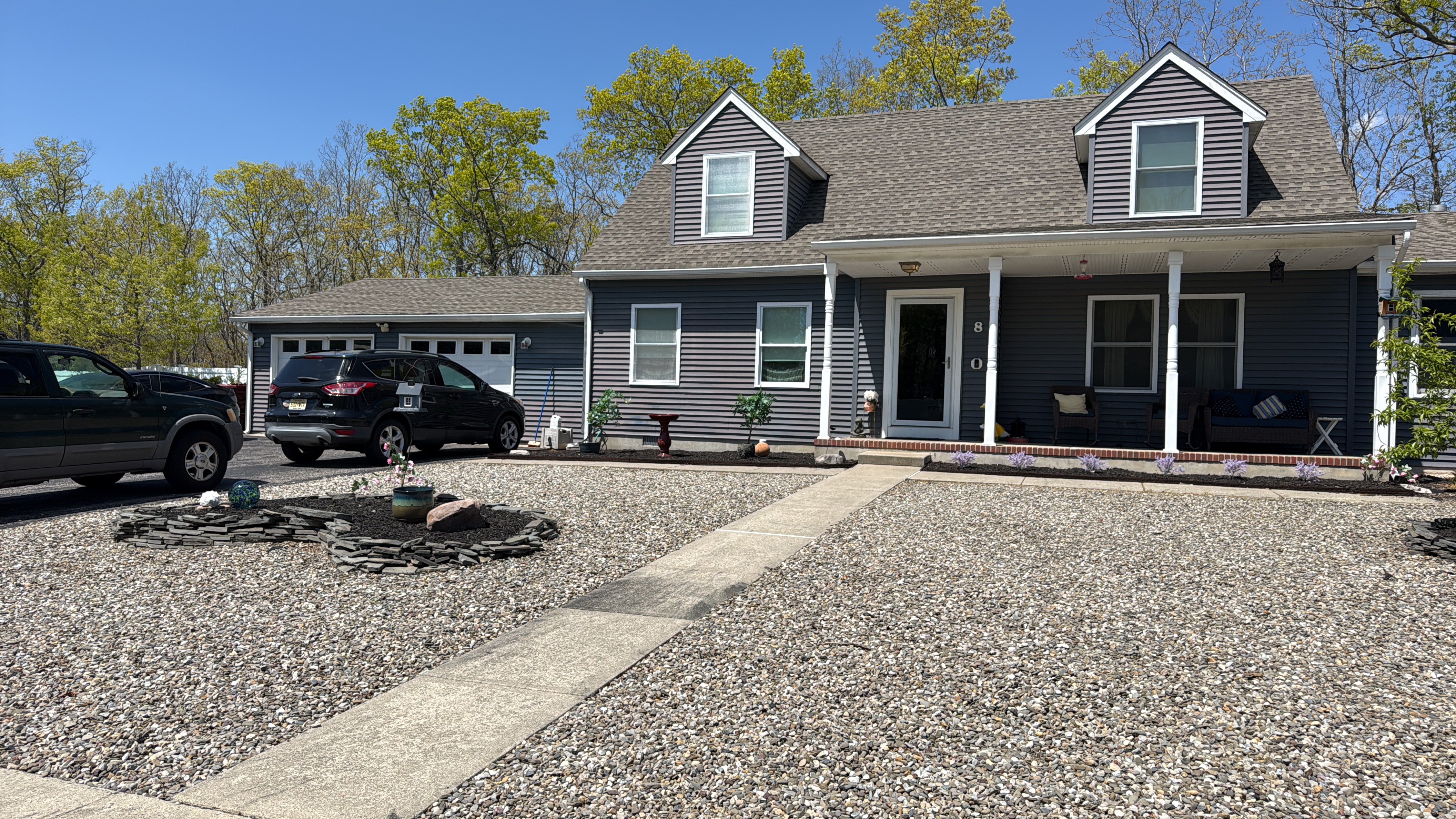
My first summer in this business was 1989. I was the dustpan man. On termite jobs somebody drilled the holes, and I swept up after him. I wanted nothing to do with chemicals, and my mom's cousin got me in anyway with a really nice lunch. Hook, line and sinker.
About 30 years ago I went out on my own, and I've been doing termite work in Ocean County ever since. So when someone asks me what month termites are most active, the honest answer is all of them. What changes is the month you find out.
The termite year in Ocean County
- Jan
- Feb
- Mar
- Apr
- May
- Jun
- Jul
- Aug
- Sep
- Oct
- Nov
- Dec
- December through February
- The colony is in the soil, feeding. Nothing shows on the surface, so most people have no idea.
- March through May
- Swarm season. Winged termites come out for a few days, often by a sunny window. This is when most people find out.
- June through November
- The swarmers are gone and the workers keep eating. Damage shows up during repairs, home sale inspections, or a trip into the crawl.
Why spring is when you find out
The termites that do the damage around here are eastern subterranean termites. The nest is in the ground, and the workers travel up into your wood through mud tubes they build along the foundation. You don't see the workers.
Once a colony gets big enough, it makes winged swarmers whose only job is to fly off and start new colonies. The New Jersey Pest Management Association says that mating flight usually lasts three to five days in spring, and that swarmers inside a house tend to collect around windows where the sun comes in. If they're coming out inside, the colony is already there.
The same association puts serious structural damage at three to eight years of normal feeding. That's why I don't want anybody panicking over a handful of wings on the sill. Sometimes the job is talking people off the ledge. It's also why I don't tell anyone to wait until next spring to see if it happens again.
What drives how bad it gets
- Moisture. Termites need it, and a damp crawl is an open invitation. It's a big reason I put vapor barriers, dehumidifiers and crawl vents in so many houses.
- Wood touching soil. Porch posts, steps, trim or siding that sit right on the dirt give termites a free ride in.
- Mulch against the foundation. It holds water and hides mud tubes. Pull it back a few inches from the house.
- Leaks and gutters. A roof leak or a downspout dumping water by the foundation keeps the wood and soil wet.
- Time. A colony that's been working for years has done more than one that got caught its first spring.
What we found on real jobs this year
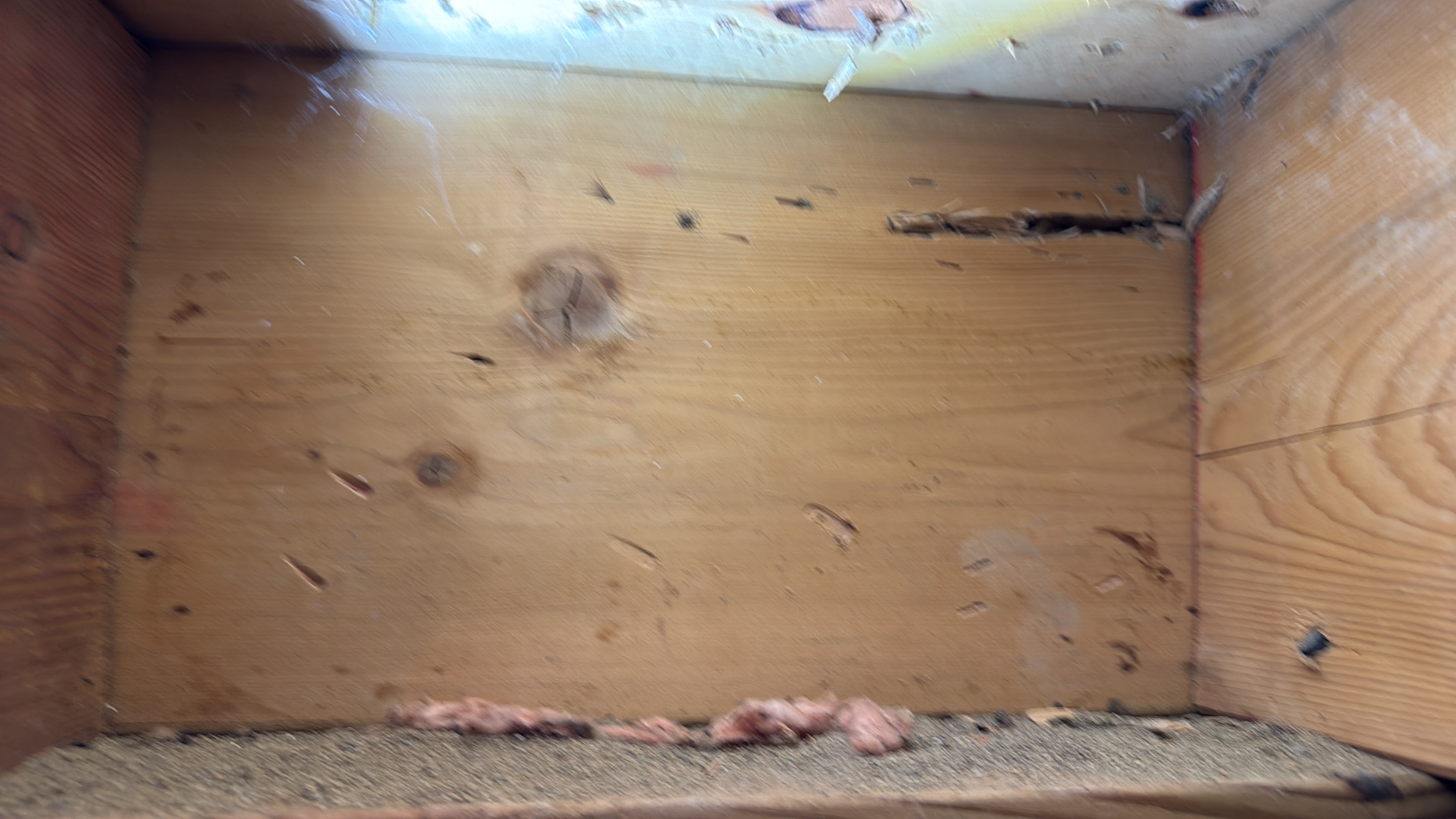
In Barnegat in June, termites had worked into the floor joists, the box beam and the subfloor in the crawl near the rear steps. We treated the house with the Trelona baiting system, handled some rodents in the crawl while we were down there, and swapped a broken vent for a temperature-controlled one. A crawl that can't breathe stays damp, and a damp crawl is where this starts.
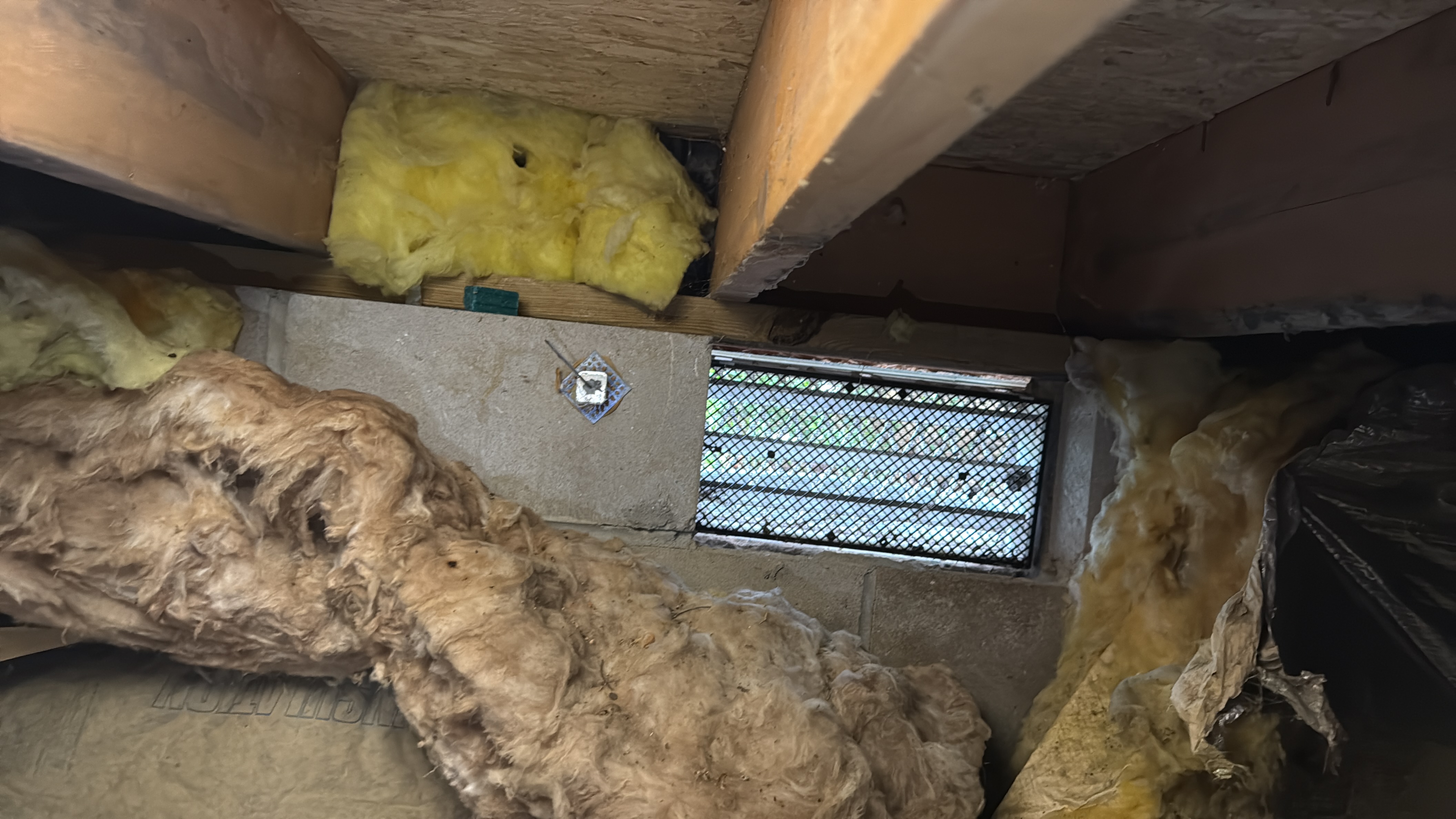
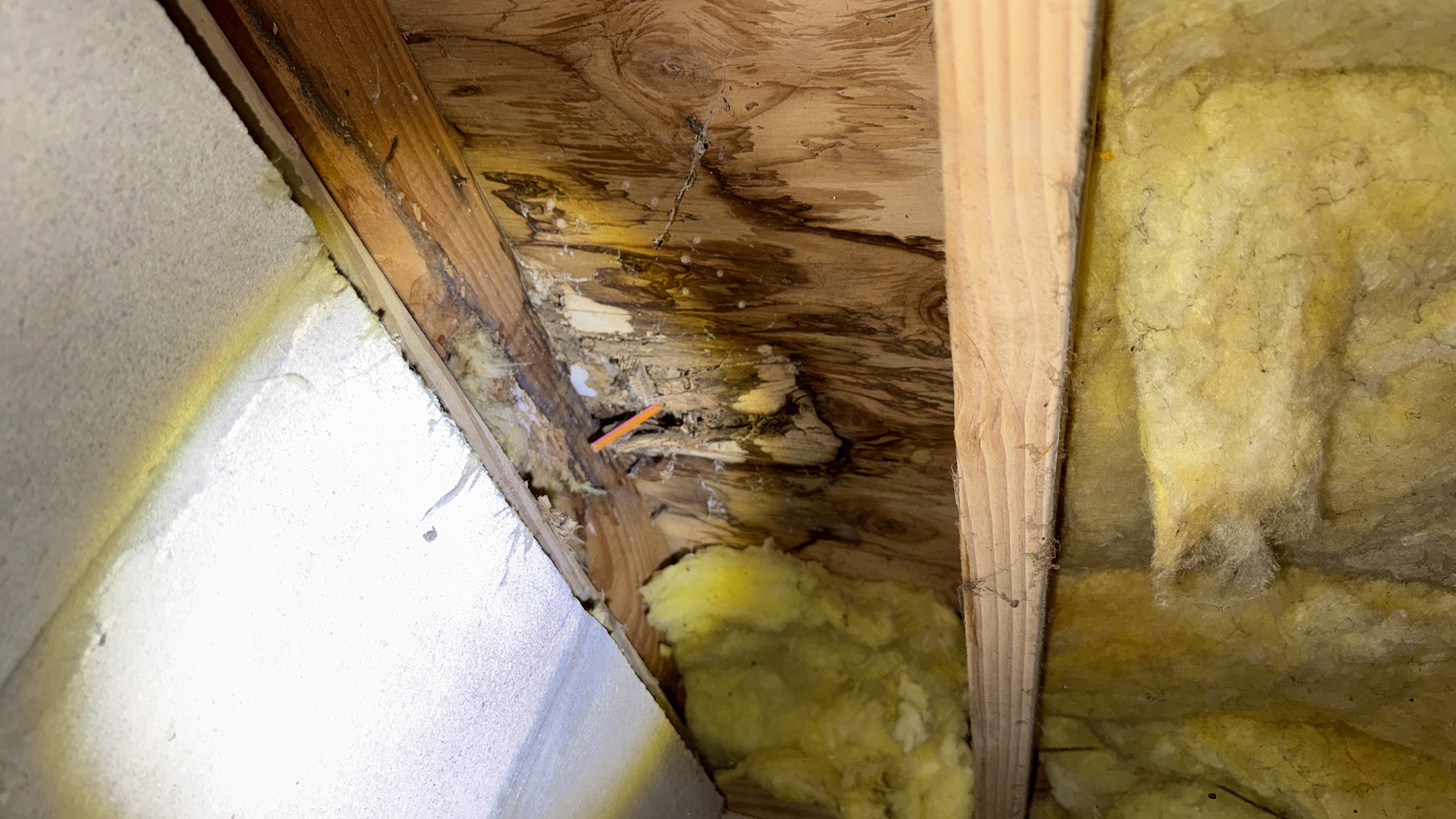
Not every job is in spring. In September we installed a baiting system around a house in Toms River, repaired the termite-damaged box plates, and put a new vapor barrier down on the crawl floor. Those termites didn't take the summer off.
What a termite visit with us covers
A lot of the frustration I hear is from people whose last company treated and left, and the problem came back. One of my customers sent her son to me with one instruction: "Just let him find them. He will find them." That was ants, but termites work the same way. You treat where they're coming from.
- A free inspection. Foundation, crawl, porches, garage slab, anywhere wood meets the ground.
- Finding the way in. Mud tubes, damaged wood, and the moisture that's drawing them.
- Trelona bait stations set around the house.
- Localized liquid treatment with Termidor HE where they've gotten in, like a porch, a garage, or the foundation of a slab.
- Wood repair. Joists, box plates, subfloor and crawl doors, done by us.
- Moisture fixes. Vapor barriers, dehumidifiers and crawl vents.
- A 60-day guarantee on the treatment, and an annual baiting program if you want us checking the stations every year.
You can see everything else we do on our services page.
"Don certainly picked the perfect name for his company: 'Superior' because that what he is and what he delivers. He installed our climate controlled vents and wells so that we never have to worry about any water intrusion."
Jeanmarie McSpefon, 5-star Google review
More from our customers is on the reviews page.
Termite questions we hear a lot
Do termites go away in the winter?
No. The termites we deal with in Ocean County nest in the soil, below where it freezes, and they keep feeding all winter. You just don't see them. Winter is actually a fine time for an inspection, because nobody is waiting on swarmers to tell them something is wrong.
Are those flying ants or termites?
Look at the waist and the wings. A flying ant has a pinched waist, bent antennae, and front wings longer than the back ones. A termite swarmer has a thick waist, straight antennae, and four wings about the same length. If you can't tell, snap a photo or put one in a jar and call us. It's a quick answer either way.
Is termite service worth it?
On the jobs we did this year, termites had gotten into floor joists, box beams, box plates and subfloor. That is structural wood, and fixing it costs more than keeping termites out of it. A colony can take years to do serious damage, so catching it early is where treatment pays for itself.
Can you ever fully get rid of termites?
You can get them out of your house and keep them out. Termites live in the ground all over Ocean County, so nobody can clear them from the neighborhood. We set Trelona bait stations around the house, which the workers carry back to the colony, and use a localized liquid treatment where they're getting in. Then we keep checking the stations on our annual baiting program.
What kills termites instantly?
Nothing you'd want. A spray can kills the termites you see, and the colony underground never notices. Bait works slowly on purpose so it gets shared through the colony. If someone promises instant results, ask what happens to the nest.
Is your house ruined if you have termites?
Almost never. In February we repaired termite-damaged floor joists and a box plate at a house in Bayville, and in September we replaced box plates and put a new vapor barrier down in a Toms River crawl. We do the wood repair ourselves, so you're not hiring a second company after the termites are gone.
Seeing wings, mud tubes or soft wood?
Call us at (732) 269-9000. Lisa will get you on the schedule. I try to get out the same day, and if I can't, the next day. The inspection is free. We're in Bayville and cover most of Ocean County, and you can check the towns we serve.
Don DiCillo Jr.